
How do plastic pipe fittings perform in seismic or vibration-prone environments?
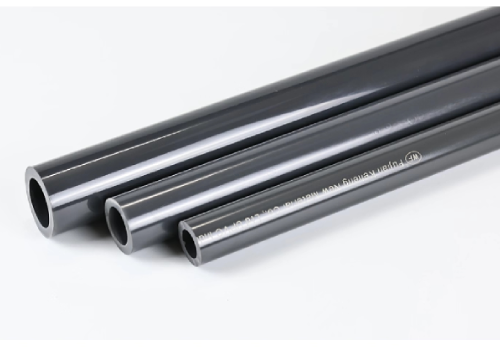
One of the key advantages of plastic pipe fittings, especially materials like PEX (cross-linked polyethylene) and PVC (polyvinyl chloride), is their flexibility. This flexibility allows them to absorb and distribute the forces generated by seismic events or constant vibrations, reducing the risk of fractures or damage that might affect more rigid materials like metal pipes. PEX, […]
UPVC valves are available in different sizes and configurations
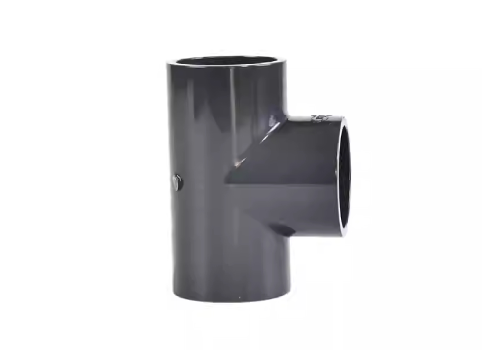
UPVC valves offer a high degree of chemical resistance and can be used in a variety of applications. They are resistant to many acids, alkalis, and solutions, which makes them perfect for applications involving food and drinking water. These valves can be fitted with pneumatic or electric actuators.uPVC valves are available in different sizes and […]
UPVC pipes are a popular choice for plumbing work
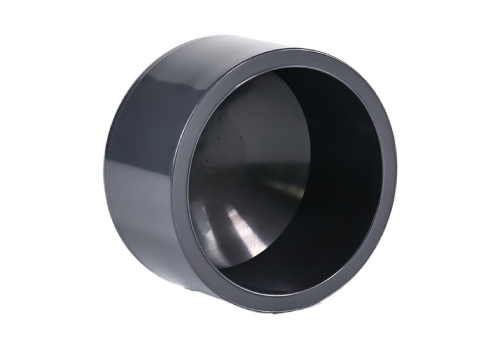
UPVC Pipe Fittings UPVC Pipe Fittings are available in different types and designs to meet the needs of the customers. These pipe fittings are made from virgin un-plasticized polyvinyl compounds and are resistant to harmful elements of nature. They are durable and cost-effective. They are also easy to install. They have great tensile strength and are corrosion-resistant. […]
What measures are in place to prevent leakage or failure of UPVC plastic pipe valves over time?
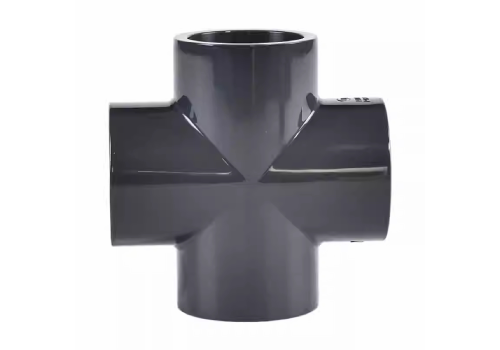
Preventing leakage or failure of UPVC plastic pipe valves over time involves several measures aimed at ensuring proper installation, maintenance, and operation. Here are some key measures: Proper Installation: Installation is a critical factor in the performance and longevity of UPVC plastic pipe valves. Begin by meticulously preparing the pipe ends, removing burrs, and ensuring […]
How do CPVC Plastic Valves handle abrasion and particulate matter within fluid streams?
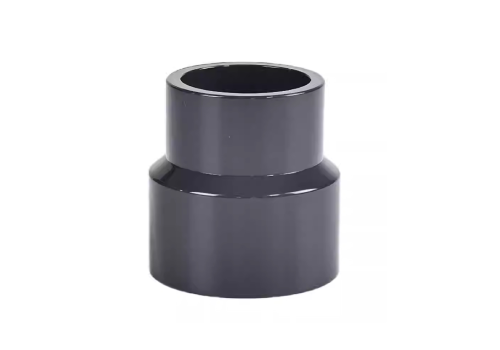
CPVC (Chlorinated Polyvinyl Chloride) is a thermoplastic polymer extensively used in piping and valve applications where corrosion resistance is paramount. While CPVC offers outstanding resistance to a wide range of chemicals, its mechanical hardness is inherently lower than that of metals such as stainless steel or brass. This reduced hardness translates into a greater susceptibility […]
How do temperature fluctuations and thermal expansion affect the sealing and mechanical integrity of CPVC Plastic Valves?
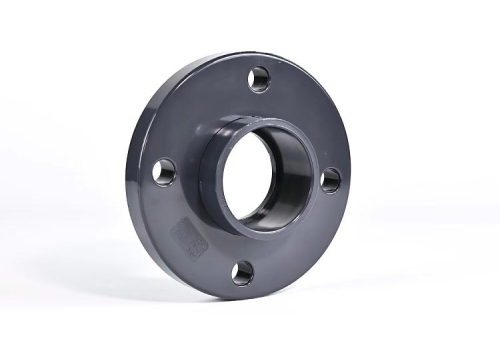
CPVC is a thermoplastic polymer with a coefficient of linear thermal expansion approximately 50 to 100 times greater than typical metals like stainless steel or brass. This means that for every degree Celsius increase in temperature, CPVC components elongate or expand much more significantly. For example, a 1-meter CPVC pipe or valve body could expand […]
What are the typical applications for Diaphragm Valves in industries like pharmaceuticals, food processing, and wastewater treatment?
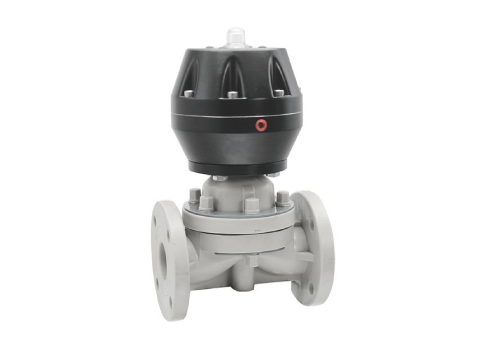
Diaphragm valves leverage their core advantages—fluid-metal non-contact (only contacting corrosion-resistant diaphragms), ease of cleaning, and absence of dead corners—to serve critical applications in pharmaceuticals, food processing, and wastewater treatment where strict control of media contamination, adherence to sanitary standards, or resistance to corrosive fluids is essential. Typical applications include: 1. Pharmaceutical Industry: Primarily meeting “sterility” […]
How does the use of UPVC foot valves in water supply or industrial piping systems enhance energy efficiency?
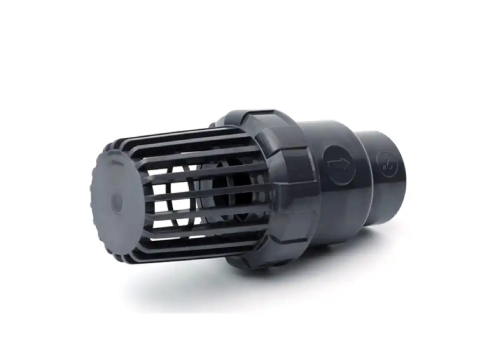
The design and material composition of the UPVC Bottom Valve play a pivotal role in optimizing fluid flow within the system. UPVC (unplasticized polyvinyl chloride) is known for its smooth internal surface, which significantly reduces friction losses when fluids pass through the valve. In traditional metal or rubber valves, rough surfaces can cause turbulence and resistance, leading […]